When comparing exterior cleaning methods, many property owners ask the same question: Soft Washing vs Low-Pressure Steam Cleaning – which is better? The truth is that both methods serve different purposes. Therefore, understanding the difference helps homeowners and businesses across March, Newmarket, Cambridgeshire and Suffolk choose the correct treatment for their property.
Exterior surfaces are constantly exposed to moisture, shade, pollution, and organic debris. As a result, moss, algae, lichen and staining develop quickly. However, using the wrong cleaning method can cause unnecessary damage. Consequently, selecting the correct approach protects surfaces while delivering long-lasting results.
In this guide, we explain exactly how soft washing and low-pressure steam cleaning work, where each performs best and how to decide which suits your property.
What Is Low-Pressure Steam Cleaning?
Low-pressure steam cleaning uses superheated water vapour delivered at controlled pressure. Unlike traditional pressure washing, it relies on heat rather than force to remove contamination.
Because steam penetrates deeply into organic growth, it loosens moss, algae and grime at the root level. Meanwhile, the low pressure prevents surface erosion.
How Steam Cleaning Exterior Surfaces Works
Professional steam cleaning follows a structured process.
First, technicians apply heated steam evenly across the surface. The temperature weakens organic cells and loosens embedded debris. As a result, moss and algae detach naturally.
Next, any remaining residue is gently cleared away. Finally, protective treatments may be applied to slow regrowth.
Because heat disrupts spores, roof steam cleaning in Cambridgeshire often produces longer-lasting results than cold washing alone.
Why Steam Is Safer Than High-Pressure Washing
Many people confuse steam cleaning with pressure washing. However, the two differ significantly.
High-pressure washing relies on force. While this may remove dirt quickly, it can strip coatings, damage pointing, and force water into roof structures.
In contrast, steam cleaning uses temperature as the primary cleaning agent. Therefore, when performed professionally, it offers powerful cleaning with minimal structural risk.
When Should You Choose Steam Cleaning?
Steam cleaning works best on durable surfaces that tolerate heat well.
It is particularly effective for:
- Roof tiles
- Brick and natural stone
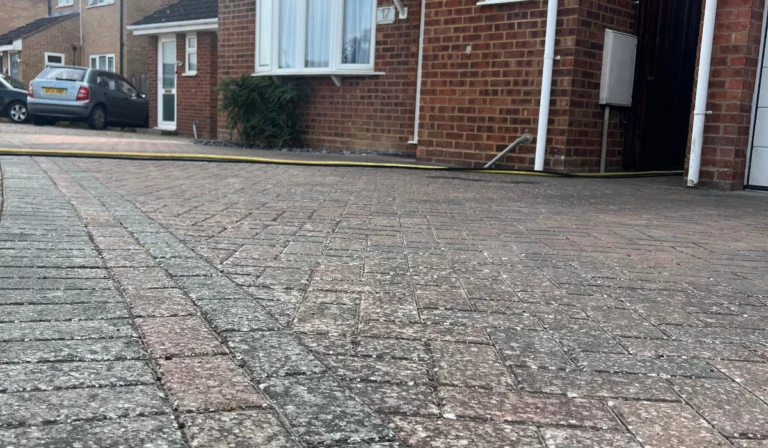
- Concrete driveways
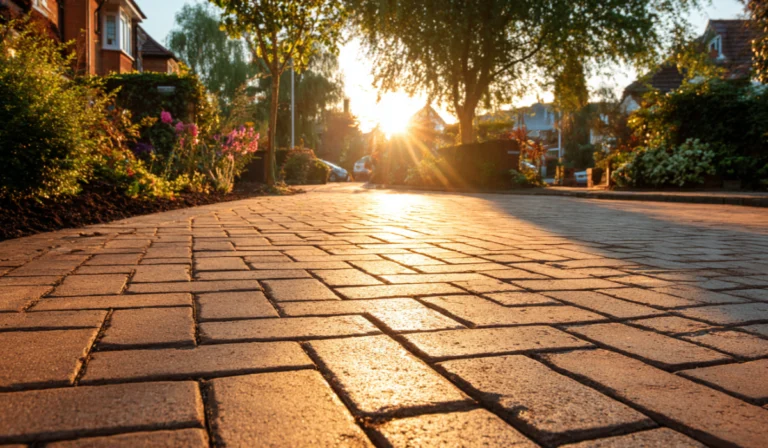
- Patios and pathways
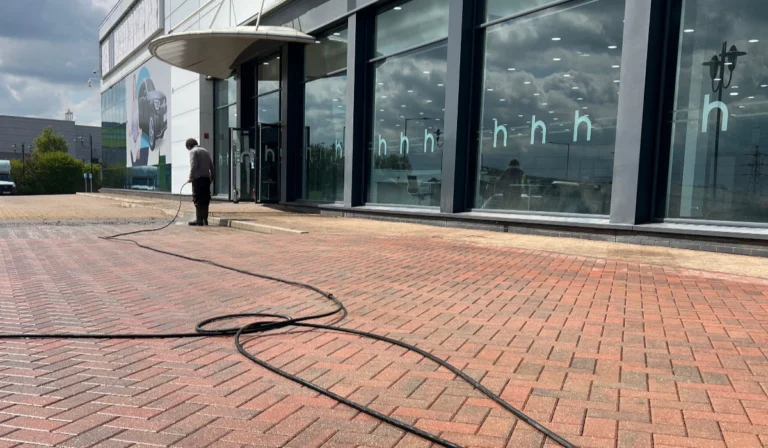
- Commercial forecourts
Because these surfaces can withstand controlled heat, steam penetrates effectively without causing harm.
For example, moss-covered roofs in March often respond exceptionally well to steam cleaning. Similarly, heavily stained patios in Newmarket benefit from thermal treatment.
What Is Soft Washing?
Soft washing uses low-pressure water combined with specialist cleaning solutions. Instead of relying on heat, it uses chemical action to safely break down organic growth.
Because the cleaning solution targets algae and lichen biologically, it significantly reduces regrowth.
How Soft Washing Render and Delicate Surfaces Work
The process begins by applying a carefully measured cleaning solution. This solution remains on the surface for a controlled dwell time.
During this stage, the treatment breaks down staining and organic matter. Afterwards, technicians rinse gently with low-pressure water.
As a result, surfaces remain intact while contamination reduces safety.
Why Soft Washing Is Ideal for Sensitive Materials
Soft washing avoids both high pressure and high heat. Consequently, it suits delicate or coated finishes.
For example, coloured render in Suffolk requires soft-washing techniques to prevent fading or cracking.
When Is Soft Washing the Right Choice?
Soft washing performs best on surfaces that require protection from abrasion or thermal stress.
It is ideal for:
- Rendered façades
- Painted masonry
- Cladding
- Fascias and soffits
- Decorative finishes
Because these materials may absorb moisture or discolour easily, soft washing ensures a controlled clean.
Modern properties in Newmarket with silicone render, for instance, benefit from chemical treatment rather than heat-based cleaning.
Soft Washing vs Low-Pressure Steam Cleaning: Core Differences
Understanding soft washing vs low-pressure steam cleaning requires comparing their mechanisms.
Steam cleaning uses heat as the primary cleaning agent. Soft washing uses chemical treatment.
Steam cleaning excels on durable materials such as roof tiles and stone. Soft washing protects delicate surfaces such as render and cladding.
Steam kills moss and algae through thermal shock. Soft washing disrupts biological growth chemically.
Both methods, when applied professionally, provide safe and effective results. However, suitability depends entirely on surface type.
Which Method Produces Longer-Lasting Results?
Longevity depends on environmental exposure and the severity of contamination.
Steam cleaning often delivers excellent long-term results on roofs because heat effectively eliminates spores.
Meanwhile, soft washing slows regrowth significantly on render when combined with protective coatings.
Because Cambridgeshire properties experience frequent damp conditions, combining techniques sometimes produces the strongest outcome.
Can the Wrong Method Damage Your Property?
Yes. Choosing incorrectly can create serious problems.
High-pressure washing on roofs may dislodge tiles or remove protective coatings. Similarly, excessive heat on fragile surfaces can cause stress damage.
On the other hand, improper chemical application during soft washing may leave residue or result in uneven coverage.
Therefore, professional assessment ensures safe selection.
Why Professional Equipment Makes a Major Difference
Domestic machines lack temperature precision and pressure control. Consequently, DIY attempts often produce inconsistent results.
Professional exterior cleaning companies use commercial-grade equipment designed for steam cleaning exterior surfaces and soft washing render safely.
Because professionals adjust heat levels, chemical strength and pressure precisely, they protect both appearance and structural integrity.
How Local Climate Influences Cleaning Choice
Properties in March and the surrounding villages often sit in damp, shaded environments. As a result, roof moss growth accelerates.
Meanwhile, properties in Newmarket may experience algae staining on render due to moisture retention.
Therefore, steam cleaning often suits moss-heavy roof tiles. However, soft washing may be better for shaded render.
Understanding regional exposure helps determine the most effective solution.
Is High-Pressure Washing Ever Appropriate?
High-pressure washing has specific applications on very hard, durable surfaces. However, it is not suitable for roof cleaning or delicate materials.
Because pressure can cause irreversible damage, most professional exterior cleaning specialists prioritise steam or soft washing for sensitive areas.
Should You Combine Both Methods?
In some cases, combining techniques provides superior results.
For example:
Roof steam cleaning followed by biocide treatment
Driveway steam cleaning followed by re-sanding
Render soft washing followed by protective coating
Because each property faces unique environmental challenges, tailored solutions ensure optimal longevity.
How to Decide Which Method Is Right for You
When evaluating soft washing vs low-pressure steam cleaning, consider the following factors:
- Surface material
- Age of the building
- Extent of contamination
- Moisture exposure
- Long-term maintenance goals
For instance, older clay roof tiles typically respond well to steam cleaning. However, painted render benefits from soft washing.
Professional evaluation ensures correct method selection.
Common Misconceptions About Exterior Cleaning
Many believe stronger pressure equals better cleaning. However, excessive force often shortens surface lifespan.
Others assume chemical treatment damages surfaces. In reality, professional soft washing remains controlled and precise.
Understanding these differences prevents costly mistakes.
Why Choosing the Right Method Protects Property Value
Exterior surfaces contribute significantly to kerb appeal and structural durability.
Because roofs, render, and stonework represent substantial investments, incorrect treatment can reduce lifespan dramatically.
In contrast, selecting the correct method preserves appearance and integrity. As a result, property value remains protected in competitive housing markets across Cambridgeshire and Suffolk.
Making the Right Decision for Your Property
Soft Washing vs Low-Pressure Steam Cleaning is not about selecting a universally better method. Instead, it is about choosing the correct technique for the specific surface.
Steam cleaning delivers powerful heat-based sanitisation for durable materials such as roof tiles and stone.
Soft washing provides gentle chemical treatment for delicate finishes such as render and cladding.
Because every property is different, professional assessment ensures safe, lasting results.
If you are unsure which method suits your home or commercial property in March, Newmarket or the surrounding areas, seek professional guidance. An experienced exterior cleaning specialist will evaluate surface type, contamination level and environmental exposure before recommending the safest and most effective approach.
Choosing correctly today ensures cleaner surfaces, longer-lasting protection and preserved structural integrity for years to come.