
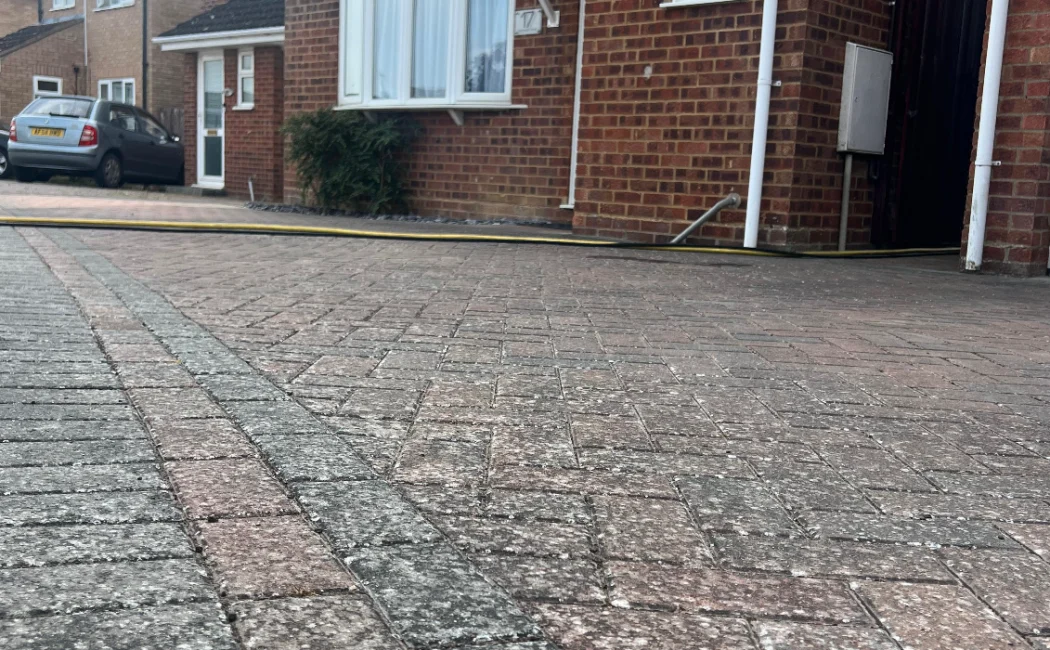
Why Block Paving Sand Joints Are Critical to Driveway Stability
Block paving may appear to be a simple surface made from individual bricks or concrete blocks. However, the strength of a block-paved driveway relies heavily on the small gaps between each block. These joints are filled with kiln-dried sand, and this sand plays a major structural role in how the entire driveway functions.
Many homeowners assume the sand is purely decorative. In reality, the sand locks the paving blocks together and allows the surface to behave like one solid structure. Without it, the blocks would gradually shift, spread apart, or become uneven when vehicles drive across them.
How jointing sand keeps block paving locked together
When installers complete a block paving driveway, they sweep kiln-dried sand across the surface. The sand falls into the narrow joints between the blocks and fills every gap. As a result, the blocks become tightly packed together.
This sand performs several important functions:
• It prevents paving blocks from moving sideways
• It distributes the weight of vehicles across the surface
• It stabilises the blocks against vibration and traffic pressure
• It helps prevent weed growth within the joints
Because of these functions, the sand forms an essential part of the driveway’s structure rather than simply filling the gaps.
What happens when joint sand disappears
Over time, sand can gradually reduce due to weather, vehicle movement, and surface cleaning. However, aggressive pressure washing often removes sand much faster than natural wear.
When sand disappears from the joints, several issues may develop. The paving blocks may start shifting slightly when vehicles drive over them. Eventually, small gaps can appear, and the surface may become uneven.
In addition, empty joints allow weed seeds to settle easily. Moisture also penetrates deeper into the paving structure, which can increase the likelihood of moss growth.
Therefore, protecting the joint sand during cleaning is extremely important for maintaining the long-term condition of the driveway.
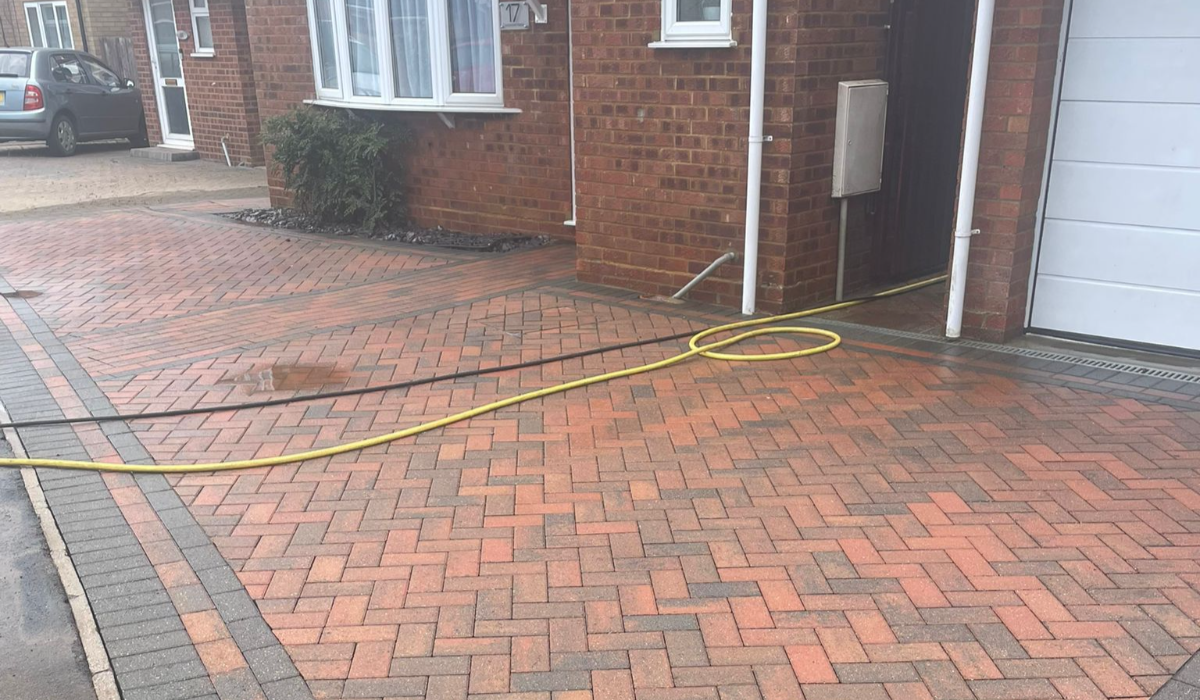
Can Block Paving Be Cleaned Without Damaging the Sand Joints?
Yes, it is absolutely possible to clean block paving without damaging the sand joints. However, the cleaning method must be carefully controlled. The difference between safe cleaning and damaging cleaning usually comes down to pressure levels, equipment choice, and operator experience.
Many problems arise when high-pressure washing is used incorrectly. Domestic pressure washers can produce very powerful water jets, and if the operator holds the nozzle too close to the paving surface, the pressure can blast the joint sand out of the gaps.
However, professional exterior cleaning specialists use more controlled techniques that protect the structure of the driveway while still removing dirt, algae, and moss effectively.
Why does uncontrolled pressure washing remove joint sand
Pressure washing works by directing a concentrated stream of water at the surface. While this removes dirt effectively, it can also disturb the jointing sand.
If pressure is too high, the water penetrates the joints and pushes the sand out. Over time, this can weaken the stability of the paving blocks.
Incorrect pressure washing may also cause other problems, including:
• Undermining the base beneath the paving
• Marking or etching the surface of the blocks
• Forcing water beneath the paving layers
• Leaving joints empty and vulnerable to weeds
Because of these risks, simply pointing a pressure washer at the driveway is rarely the safest solution.
How controlled cleaning protects block paving joints
Professional driveway cleaning companies use a much more controlled approach. Instead of relying purely on force, they combine specialised equipment, lower pressure settings, and appropriate cleaning techniques.
This allows them to remove biological growth and built-up dirt while minimising disturbance to the joint sand. As a result, the driveway becomes clean without weakening its structure.
How Professional Driveway Cleaning Protects Block Paving
Experienced exterior cleaning specialists follow a structured process when cleaning block paving. Each step is designed to remove contamination safely while protecting the driveway.
Inspecting the driveway before cleaning begins
A professional cleaning service usually begins with a careful inspection of the driveway. This step helps determine the safest cleaning approach.
During this inspection, specialists assess several factors, including the condition of the paving blocks, the amount of moss or algae present, and whether any blocks have already become loose.
This evaluation helps identify areas that may require extra care during cleaning.
Pre-treating moss, algae and organic growth
In many cases, specialists apply a cleaning treatment before pressure washing begins. This treatment targets organic contamination such as algae, moss, and lichen.
Because the treatment starts breaking down the biological growth, the pressure required to remove it becomes much lower. As a result, the cleaning process becomes safer for the sand joints.
Using rotary surface cleaners instead of open jets
Professional driveway cleaning often uses rotary surface cleaners. These machines distribute water pressure evenly across the surface through spinning jets beneath a circular housing.
Because the pressure spreads evenly across a larger area, the risk of blasting sand out of the joints reduces significantly.
In addition, rotary cleaners maintain a consistent distance from the surface. This consistency helps protect both the paving blocks and the joint sand.
Why Re-Sanding Block Paving After Cleaning Is Essential
Even when professionals clean block paving carefully, some sand loss is almost inevitable. For this reason, re-sanding the driveway forms an essential final step after cleaning.
What does kiln-dried sand do after driveway cleaning
Kiln-dried sand is specifically designed for filling block paving joints. Its fine and dry consistency allows it to flow easily into narrow gaps between the paving blocks.
Once the sand settles into the joints, it locks the blocks back together again.
How re-sanding restores driveway strength
After the driveway dries fully, technicians brush fresh kiln-dried sand across the surface. The sand fills the joints and restores the structural stability of the paving.
Re-sanding provides several important benefits:
• It prevents blocks from shifting under vehicle weight
• It reduces gaps where weeds may grow
• It improves the overall stability of the driveway
• It restores the original joint structure of the paving
Because of these advantages, re-sanding should always be part of a professional block paving cleaning service.
Why DIY Pressure Washing Often Damages Block Paving
Many homeowners attempt to clean their driveways themselves. While this approach may appear cost-effective, DIY cleaning often causes unintended damage.
Domestic pressure washers can be too aggressive.
Household pressure washers are powerful machines. Without careful control, they can easily remove large amounts of joint sand.
Most domestic users also lack experience with the correct cleaning angle, distance, and movement speed required for safe cleaning.
As a result, the cleaning process can quickly remove sand from the joints.
Technique matters as much as pressure.
Even if the pressure setting is correct, poor technique can still cause damage. Holding the nozzle too close to the surface increases the impact force dramatically.
Moving the jet slowly across the paving concentrates pressure on a small area. Consequently, the sand may be washed out of the joints.
Professional cleaning specialists are trained to maintain safe pressure levels and correct working distances.
DIY cleaning rarely includes proper resanding
Another common problem occurs when homeowners clean the driveway but do not replace the joint sand afterwards.
This leaves empty gaps between the paving blocks. Over time, these gaps allow weeds and moss to grow more easily.
Without re-sanding, the structural stability of the driveway gradually decreases.
How Moss, Algae and Dirt Affect Block Paving Over Time
Block paving is constantly exposed to outdoor conditions. Rain, shade, pollution, and organic debris all contribute to the gradual build-up of contamination.
Why do driveways turn dark or slippery?
Algae often develops on damp surfaces, particularly in shaded areas. When algae spreads across paving blocks, it forms a dark film that changes the colour of the driveway.
Meanwhile, moss can grow within the joints where moisture collects.
Over time, these organisms make the surface slippery, especially during wet weather.
Why regular cleaning protects block paving
Regular cleaning removes the organic material that allows moss and algae to thrive. By maintaining the driveway properly, homeowners can prevent contamination from becoming deeply embedded.
As a result, future cleaning becomes easier and less intensive.
Should Block Paving Be Sealed After Cleaning?
Some homeowners choose to seal their driveway after cleaning. While sealing is not always necessary, it can provide additional protection in certain situations.
Benefits of sealing block paving
A quality block paving sealant creates a protective barrier on the surface of the blocks.
This barrier can help reduce staining, slow the growth of algae, and improve the overall appearance of the driveway.
In addition, sealing can stabilise the joint sand and reduce erosion caused by rain.
When sealing may not be required
Not every driveway requires sealing. If the paving is well-maintained and receives regular cleaning, sealing may provide only limited benefits.
A professional inspection can help determine whether sealing is appropriate for a specific driveway.
How Often Should Block Paving Be Professionally Cleaned?
Driveway cleaning frequency depends on the environment around the property.
For example, driveways beneath trees may collect organic debris more quickly. Meanwhile, driveways exposed to heavy traffic may develop staining from vehicles.
Typical maintenance schedule for block paving
In many cases, block paving benefits from professional cleaning every two to three years.
This schedule prevents heavy contamination from building up while keeping the driveway looking fresh.
Regular maintenance also helps maintain the kerb appeal of the property.
Signs that a driveway needs cleaning
Homeowners often notice several warning signs when block paving requires cleaning. The paving may start turning dark, moss may appear between joints, or algae may create a slippery surface.
Addressing these issues early usually makes cleaning easier and more effective.
Why Professional Cleaning Is the Safest Way to Protect Block Paving
A block paving driveway represents a significant investment for most homeowners. Maintaining that investment requires the correct cleaning approach.
Professional exterior cleaning services understand how to clean block paving without damaging the sand joints. Through careful pressure control, specialised equipment, and proper re-sanding, they restore the appearance of the driveway while protecting its structure.
Most importantly, professional cleaning prevents the common problems caused by aggressive DIY pressure washing.
When block paving receives proper care and maintenance, it can remain attractive, stable, and durable for many years. Safe cleaning methods ensure that homeowners enjoy the benefits of a clean driveway without compromising the integrity of the paving system.